
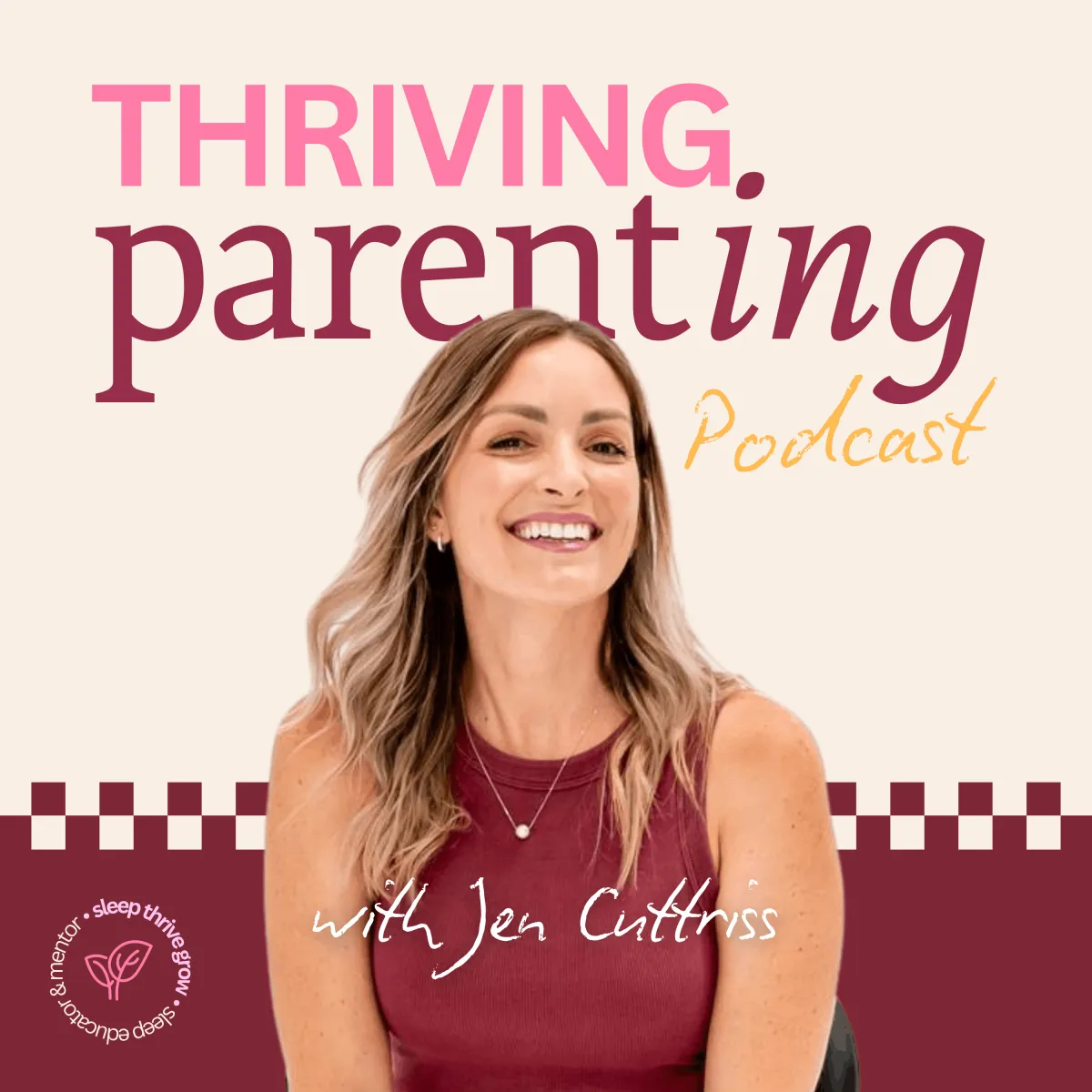
What If Self-Care Wasn’t Optional in Motherhood?
Motherhood changes everything — your routines, your priorities, your sleep, your identity, and often, your relationship with yourself. One of the first things many mums sacrifice is self-care. It becomes something we “might get around to” when the to-do list is finished, the house is clean, the kids are asleep, and everyone else’s needs are met.
But what if that way of thinking is actually making motherhood harder?
What if self-care isn’t a luxury at all? What if it’s one of the most important tools we have for surviving — and thriving — in parenting?
In a recent episode of the Thriving Parenting, this powerful reframe was explored deeply: self-care as stress management, nervous system support, and emotional regulation. Not optional. Essential.
The Invisible Load of Motherhood
Before kids, many of us had ways of coping with stress that felt manageable. Maybe it was going to the gym, catching up with friends, sleeping in after a late night, or simply having uninterrupted quiet time.
Then parenting arrives.
Suddenly, life isn’t just “busy” — it becomes emotionally activating, physically exhausting, and mentally relentless. Even the most beautiful parts of parenting come with a constant background load:
Sleep deprivation
Emotional demands
Decision fatigue
Mental checklists
Worry and responsibility
Constant interruptions
And unlike other stressful situations in life, parenting isn’t something you can walk away from.
You can leave a stressful workplace.
You can end a toxic relationship.
You can take annual leave from a demanding job.
But parenting continues every single day.
That’s why mums often find themselves stuck in a constant state of stress response without even realising it.
Understanding the Nervous System in Motherhood
When stress levels rise, the body naturally shifts into what’s known as fight-or-flight mode. This is the nervous system’s protective survival response.
In small doses, it’s helpful.
But staying there for too long changes how we function.
When mums spend long periods overloaded and overstimulated, it can look like:
Feeling constantly irritable
Snapping more easily
Becoming emotionally reactive
Feeling numb or disconnected
Struggling to think clearly
Feeling like everything is urgent
Questioning your identity as a parent
This doesn’t mean you’re failing.
It means your nervous system is overloaded.
And this is where self-care becomes critical.
Not because it’s trendy.
Not because you need to “treat yourself”.
But because your body needs moments of regulation to return to balance.
Why Self-Care Is Really Stress Buffering
One of the most powerful analogies shared in the episode was imagining stress as a cup.
Throughout the day, little by little, the cup fills:
Night wakings
Tantrums
Mental load
Appointments
Household tasks
Emotional demands
Decision making
Every responsibility adds more liquid to the cup.
Without anything emptying it, eventually the cup overflows.
That overflow often looks like:
Shouting at your child
Breaking down emotionally
Feeling completely shut down
Becoming reactive
Feeling disconnected from yourself
Self-care is what empties the cup before it spills over.
And importantly, self-care doesn’t need to mean expensive spa days or elaborate routines.
Often, it’s the smallest moments that regulate the nervous system most effectively.
The “Boring” Self-Care That Actually Helps
One of the biggest misconceptions about self-care is that it needs to be big, luxurious, or time-consuming.
In reality, the most effective forms of self-care in motherhood are often simple, accessible, and repetitive.
These are the little “commas” in the day that help prevent emotional burnout.
Examples include:
Taking three deep breaths before responding to your child
Standing outside barefoot on the grass
Drinking your coffee slowly instead of rushing it
Sitting in silence for one minute
Journalling thoughts before bed
Stretching your body for five minutes
Dancing in the kitchen with your kids
Going for a short walk
Calling a friend
Doing a quick home workout while your child plays nearby
These moments send a signal to the body:
“You are safe.”
And that changes everything.
Your Child Borrows Calm From You
One of the most important reminders from the episode is this:
Children learn emotional regulation from what they feel from us — not just what we say.
Young children have immature nervous systems. They rely on co-regulation, which means they borrow calm and safety from the adults around them.
If a parent is constantly dysregulated, stressed, or emotionally overwhelmed, children often feel that energy too.
But when a parent creates small moments to regulate themselves, they become more emotionally available and grounded for their child.
This doesn’t mean being calm all the time.
It doesn’t mean parenting perfectly.
It simply means building more moments of return.
More pauses.
More breathing space.
More nervous system support.
Redefining Self-Care in This Season of Life
One of the hardest parts of motherhood is accepting that self-care may not look the same as it once did.
Before kids, maybe your self-care looked like:
Long gym sessions
Spontaneous coffee dates
Weekend getaways
Sleeping in
Now it may look like:
Five quiet minutes in the car
A short meditation during nap time
A takeaway coffee before daycare pickup
Stretching beside your toddler
Listening to music while cooking dinner
And that counts.
Self-care in motherhood is not about perfection.
It’s about sustainability.
A New Question to Ask Yourself
Instead of asking:
“When will I have time for self-care?”
Try asking:
“What helps me come back to calm today?”
That shift changes self-care from something optional into something supportive, practical, and necessary.
Because when you feel calmer:
Parenting feels more manageable
Boundaries feel easier to hold
Emotional moments feel less overwhelming
You trust yourself more
You respond instead of react
And most importantly, you feel more like yourself again.
Mothers carry enormous invisible loads every single day.
Self-care is not selfish.
It is not indulgent.
It is not something you need to earn.
It is a form of nervous system support that allows you to show up with greater patience, presence, and resilience.
The goal isn’t to eliminate stress completely.
The goal is to create enough moments of regulation that the stress no longer consumes you.
Even the smallest self-care moments matter.
A breath.
A pause.
A quiet coffee.
A walk outside.
A moment of stillness.
Those little moments are often the very things helping you hold everything together.